Mutina Italian ceramic tiles collections: art and design, architecture, culture and literature
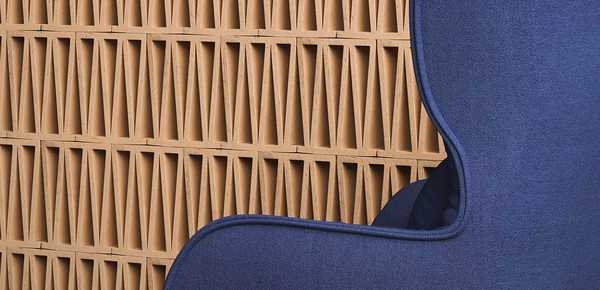
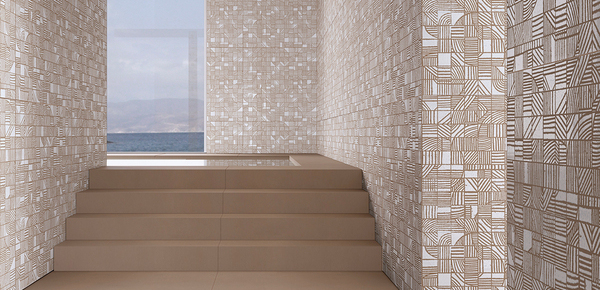
Mutina derives from the natural need to urge top designers to bring their ideas, for the first time, to the world of ceramic covering materials. Mutina is a design project developed by a heterogenous team that shares the same unique vision.
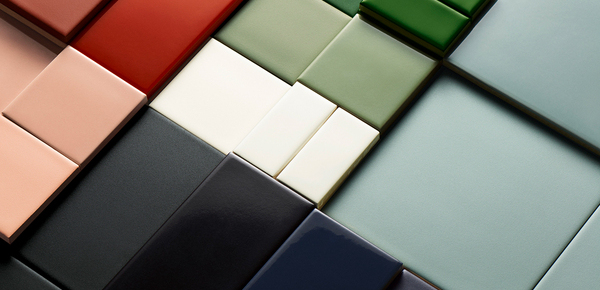
The collaboration with Edward Barber and Jay Osgerby, Ronan and Erwan Bouroullec, Nathalie Du Pasquier, Konstantin Grcic, Hella Jongerius, Laboratorio Avallone, OEO Studio, Raw Edges, Inga Sempé, Patricia Urquiola and Tokujin Yoshioka sprang from a friendship and a huge sense of mutual respect, as well as from the challenge of experiencing the endless range of textures and colours, spacing from delicate and neutral shades to the most bold and vibrant ones.
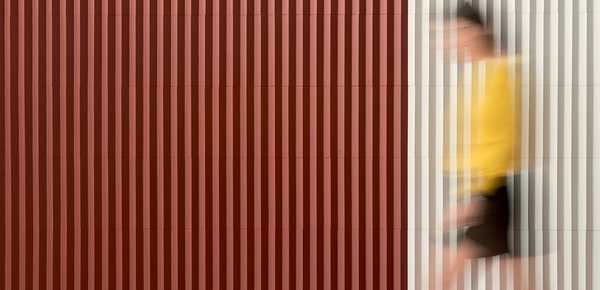
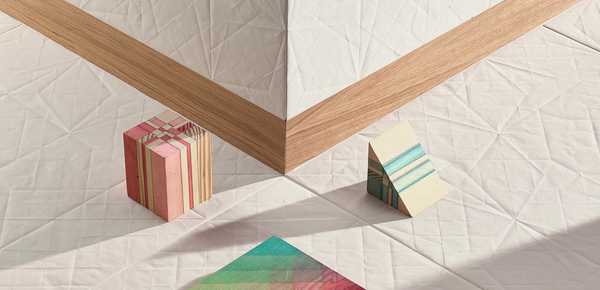
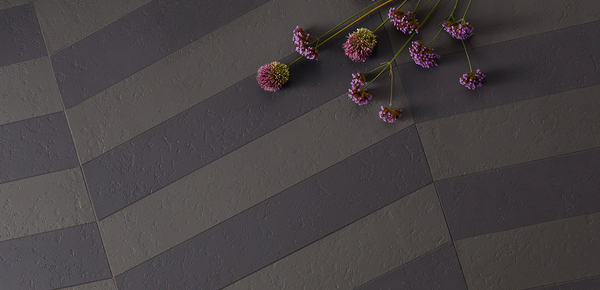
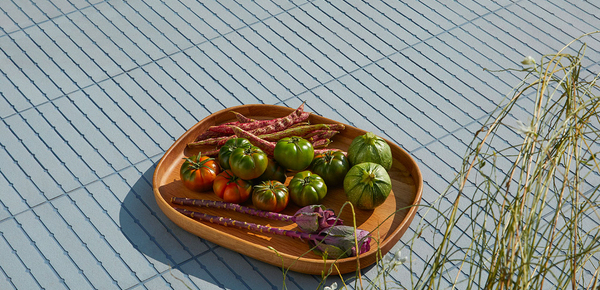
These features, together with a never-ending effort to bring out the best in ceramic material, are the origin of the Mutina concept, which – beyond any evolution and interpretation – has developed a strong, recognisable identity, also thanks to the essential high quality of the product: innovative yet perfectly balanced and inviting, a product to reach out and touch.
Mutina: Italian design tiles and elements that enrich your space.
Where can I buy Mutina tiles in the USA?
La Mercanti is proud to be the authorized distributor of Mutina for the entire United States and North American market. Contact us for consulting, pricing and logistics.
Frequently Asked Questions about Mutina
Where can I buy Mutina tiles in the USA?
La Mercanti is proud to be the authorized distributor of Mutina for the entire United States and North American market. Contact us for consulting, pricing and logistics.
Why should I buy Mutina through La Mercanti instead of a local U.S. showroom?
La Mercanti is an authorized Mutina distributor for the entire U.S. and North American market, with direct access to the full Italian catalog and factory pricing in USD. You get one point of contact for design consulting, quotations and international logistics, instead of juggling multiple intermediaries. This is crucial on multi-city projects (NY, LA, Miami, DC) where consistency of batches, finishes and timelines matters more than showroom proximity.
How do I de-risk Mutina on a large U.S. project (timing, re-orders, phasing)?
Treat Mutina like a strategic package, not a last-minute “feature tile.” Ask La Mercanti to confirm production slots and shipping windows from Italy, and lock quantities early with a 5–8% surplus for cuts and future repairs. For phased projects, align each construction phase with separate batches and delivery plans, so customs, last-mile trucking and site storage are coordinated from day one. This approach dramatically reduces value-engineering and “out of stock” surprises.
Which Mutina collections work best for high-traffic hospitality and commercial spaces in the U.S.?
For lobby, corridors and F&B, A&D firms typically start from technical porcelain collections like Pico, Time, Mews, Kosei or Primavera for main surfaces, then layer in statement elements—Rombini, Chymia, Mattonelle Margherita, Phenomenon or Azulej—for focal walls and bar fronts. These lines combine high performance (porcelain, slip resistance, durability) with a recognizable “design culture” signature that elevates brand perception versus standard contract tile. La Mercanti can help you balance performance specs and visual impact per zone.
Why do leading architecture firms specify Mutina instead of standard Italian tile brands?
Mutina sits closer to a “design brand” than to a commodity tile producer: signed collections by international designers, controlled palettes and highly curated formats. For A&D firms this means recognisable design language, less risk of generic results and stronger storytelling for clients. Through La Mercanti, U.S. projects get access to the full Italian catalog with support on specifications, logistics and budgets.
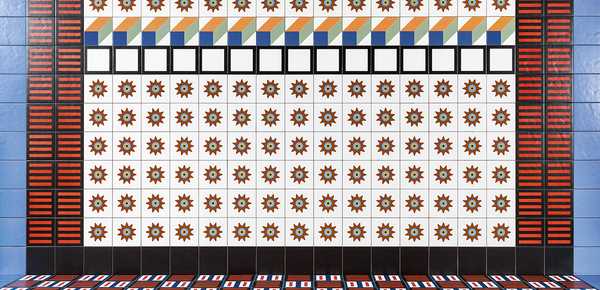
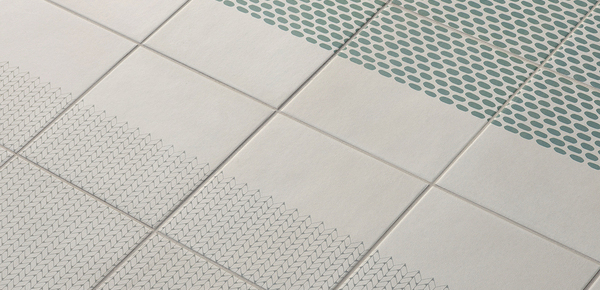
How can I use Mutina’s patterned tiles (like Azulej) without creating visual chaos?
Limit patterns to clearly framed areas (backsplashes, bar fronts, shower walls) and keep surrounding surfaces extremely calm in color and texture. Work with 2–3 pattern families max and repeat them, instead of using every option in the box. La Mercanti can help you define a “hero pattern” and supporting fields so the result feels curated, not random.
Can Mutina tiles support LEED or other sustainability goals in U.S. projects?
Mutina works with eco-conscious manufacturing and recyclable materials, and several ranges are included in programs and tools used for LEED documentation in North America. While no tile alone can “guarantee” LEED points, ceramic and porcelain surfaces are recognized as low-emission, durable finishes that contribute to indoor air quality and lifecycle performance. La Mercanti can coordinate the technical data sheets and environmental documentation you need to integrate Mutina into your project’s sustainability strategy.
How do I choose between Mutina designers for different project types?
Start from the project narrative: radical, minimal, playful, or tactile. Then match 2–3 collections that speak the same language, instead of mixing everything. La Mercanti can shortlist designer lines that fit “luxury hospitality”, “minimal corporate offices” or “boutique residential”, so the tile package feels authored and consistent across all spaces.
How do A&D firms efficiently manage samples and approvals for Mutina on U.S.-based design teams?
The smart workflow is: shortlist digitally from Mutina’s collections (e.g. Aurore, Chamotte, Celosia, Brac, Tally, Osso+Bottone, etc.), then ask La Mercanti for a curated physical sample kit aligned to your color story and budget tier. Use that kit for internal moodboards, client approvals and value-engineering scenarios, while keeping codes and formats consolidated in one shared schedule. This avoids random sample chaos from multiple vendors and gives your client a clear, coherent Mutina narrative.
Is Mutina worth the premium price, and how do you justify it to value-conscious clients?
Mutina is rarely the cheapest option; it’s chosen when design identity and perception of quality matter more than pure square-foot cost. For developers and brands, the “extra” is repaid in recognisable spaces, stronger brand storytelling and reduced risk of looking generic. La Mercanti helps you combine Mutina feature areas with more neutral fields so the overall budget stays under control while the key spaces carry the Mutina signature.
How-To Guides
- Define the experience, not the product: describe the atmosphere (gallery-like, brutalist, warm residential, bold graphic) and reference spaces or imagery.
- Segment your project: lobby, guest rooms, wet areas, outdoor, feature walls—list performance constraints for each (slip resistance, cleaning, traffic).
- Share your palette and budget bands: indicate neutrals vs accents, plus “premium” vs “workhorse” areas.
- Ask for 2–3 curated Mutina scenarios: e.g. a minimal set (Time + Kosei), a textured set (Pico + Rombini), and a graphic set (Chymia or Mattonelle Margherita as accents).
- Request a synchronized pack: physical samples, datasheets and a simple schedule (codes, sizes, finishes) ready to plug into your drawings and specs.
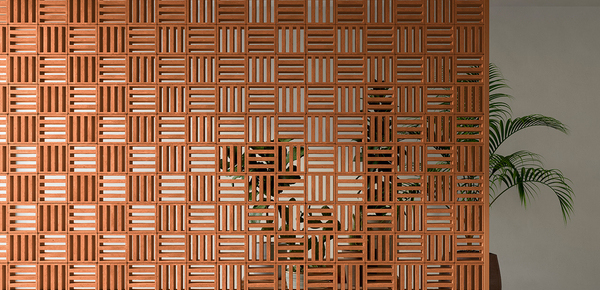
- Map “quiet” vs “hero” surfaces: floors and large walls should be calm (e.g. Time, Pico, Kosei, Mews), while bars, headboards or reception backdrops can use bolder pieces like Azulej, Rombini, Mattonelle Margherita or Celosia partitions.
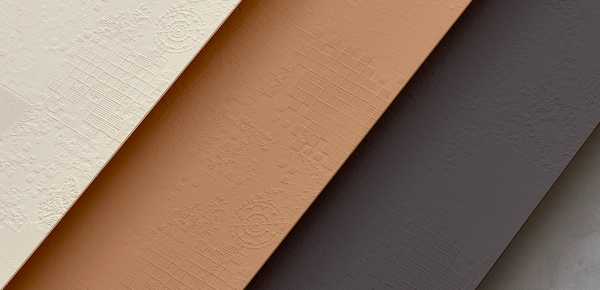
- Design in layers: base field tile → relief/brick (Tally, Brac, Jali, Bas-Relief) → graphic or color accents.
- Check technical continuity: ensure slip resistance, thickness and edge details are compatible across adjoining areas, especially indoor–outdoor transitions.
- Prototype in one bay: before global sign-off, simulate one “typical room” or zone using final Mutina selections and have La Mercanti validate quantities, trims and details against installers’ feedback.
3415 South Sepulveda Blvd
Suite 1100
Los Angeles, CA 90034 - United States
T +1 855 335 8079
VAT IT01525090443
